

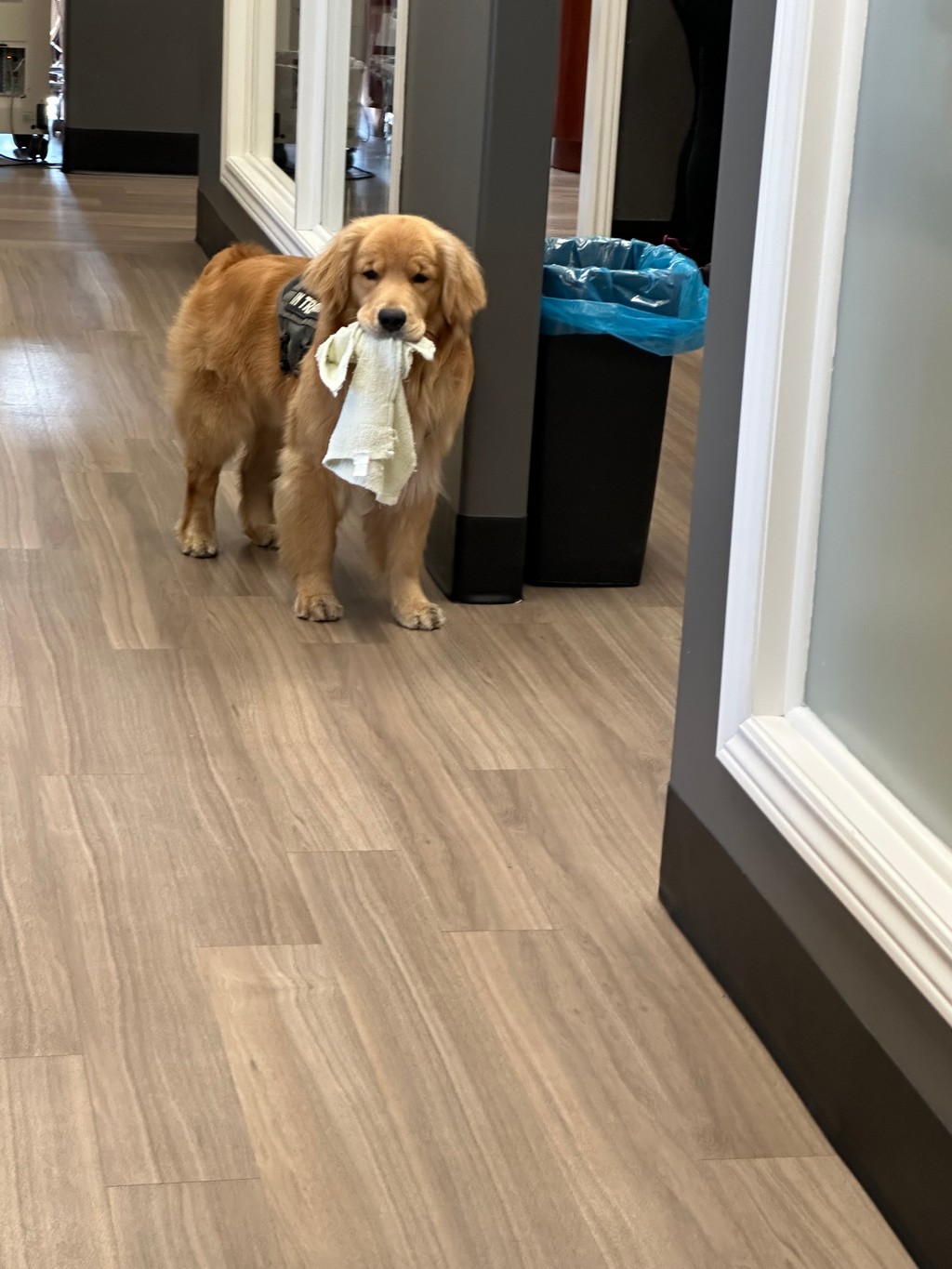
SERVICE DOG PREAMBLE PRESENT and BACKGROUND:
The present governmental definition of a “service dog” that is presently accepted worldwide is a dog that has been trained and the keyword here is task trained to mitigate a disability of its handler.
Herein lies a major issue and need enlightenment on the definition.
The reason that legislation is even needed is because there is a faction that needs, use and support the service dog (SD) and there is a faction that is inconvenienced by the presence of dogs for valid reasons. So goes humanity, the diversity of us and our objectives will always need controls and encouragement.
The act of legislation is for the majority elected representatives to provide guidelines and laws that both “sides” must live with. This applies in part to transportation, health and social norms. Considering the rights of both sides is the task that democratic communities always strive for.
Consider that service dogs (SDs) have been around for many centuries and years performing tasks that “mitigate” the disabilities of humans. Before any legislation was necessary the tasks that these dogs were trained for and performed were for such things as locating injured humans, taking medicines onto the battlefields, carrying supplies and alerting humans to danger. In all those situations (and many more) there was and is still NO faction that was or is inconvenienced, SD’s were always a plus and always mitigating the disabilities of other humans.
During an earthquake, a flood, a lost child in the wilderness, a bomb threat and on and on no one was “inconvenienced” by the dog’s odor or shedding, barking or bodily functions. No one disallowed the animal because it didn’t have a municipal tag!
The dog and only the dog has such a symbiotic relationship with humans and has had for eons! This sounds like the modern science of humanity when we developed automobiles, firearms, even nuclear fission. These and many more discoveries are all great modern developments, however we also learn that humans need direction and therefore regulations on the new tools we all rush to attain. There is misuse of new developments, and no matter intentional or uninformed, it is still misuse and so the elected people whom the masses ask for guidance are tasked with providing such guidelines and consequential services. Mandated training, restrictions, and safety checks are all part of the legislative process and are needed in the SD world.
Today the Disaster and Cadaver trained dog, the gas leak detection dog, the SAR dog and many more have no opposition to their work or service because of their work are so often far from the masses who might be inconvenienced. However, when the 1st Seeing Eye Dog was introduced it became a boon to the blind but a hinderance to the housing, restaurants, busses and planes.
Morris Frank (March 23, 1908 – November 22, 1980) was a co-founder of The Seeing Eye, the first guide-dog school in the United States. He traveled the United States and Canada to promote the use of guide dogs for people who are blind or visually impaired, as well as the right of people with guide dogs to access restaurants, hotels, transportation, and other places that are open to the general public.
For years this was the only SD that the mainstream public saw. Yes, the task trained dogs as well as the handlers were ostracized, outcast and forbidden access. There was no “Human Rights Act” to champion the new helper for the blind and vision impaired. If this sounds familiar it is!
Legislators guided by the majority electorate championed the movement and laws with guidelines and Service Dog Acts began popping up like spring flowers and the legislators who championed the concept basked it the adoration of the voters for supporting the disabled.
A caveat here- the training of such dogs comes at a cost, for dogs are not born to know the tasks that dedicated professionals guide and instill into the brains of these canines. They are TRAINED not only for the multitude of tasks needed but also the necessary manners and behaviors that come with a canine existing in the human world.
So, the 1st SD Act was designed for the seeing eye dog, then progressive science and trainers discovered that hearing-ear dogs could be trained and had a value, low blood sugar detector dogs became a boon. More and more developments have progressed over 15-20 years and there is no stopping the training of canines to help and enhance our lives.
PROPOSED CHANGES
What has not changed is the structure of the ACT’s and the legislator’s inability to understand that a simple change from the present governmental definition “is task trained to mitigate a disability of its handler” _ change it to the fact that “A Service Dog is a dog that has been trained to mitigate a disability of a human” and causes minimal inconvenience to other humans and animals” That said the outdated ACT could be “revamped” and along with that the regulations could be simplified so that oversight could be done easier and more effectively. Provinces that presently have no SD Act could create a better-defined Act. I look forward to more discussions and action on this “win-win” political attention.
REGULATION for SD CERTIFICATION
“Testing” for a service dog certification does not have to be regulated to a few organizations such as the Saint John ambulance or the ADI (Assistant Dogs International). I feel that many organizations in the province are legitimate such as trainers and animal rescue organizations and could be the evaluators of service dogs. The evaluator would not have to be a trainer, only follow the instructions to see if the dog passes the necessary public access regulations. The Department of Justice could possibly license trainers and various legitimate organizations as testers. There would be a fee for this service, and it would be retained in part by the tester. Therefore, a local Humane Society or trainer that would be licensed would be able to have an income from the service. In my opinion it would be the same function as when I get my car safety tested, I don’t have to go to a specific garage or a specific area to have the test done.
Prospective testers would apply to the Department of Justice for such a license to test service dogs. This covers the safety and public access concerns. The other aspect is the valid need for a Service Dog and this would come from a valid licensed provincial health professional .
List of just some of the functions of a service do
- Alert to Another Person or Child Crying/Calling/Yelling.
- Alerting for Help.
- Alert to high anxiety (cortisol)
- Alerting to Alarms.
- Calming the nervous
- Detecting harmful bacteria
- Detecting dangerous gases
- Detecting firearms, explosives
- Alert to Allergen in Food.
- Alert to Allergen in the Area.
- Alerting to Approaching Car.
- Alert to Car Horn.
- Alert to Doorbell/Knocking.
- Alerting to Handler’s Name Being Called.
- Alert to Intruder.
- Alerting to Person Coming Up Behind.
- Alert to Phone.
- Alerting to Seizures.
- Alert to Siren.
- Alerting to Sounds.
- Alert to Unheard Dropped Item.
- High Blood Sugar Alert.
- Alert to Heartrate changes.
- Alerting to Blood pressure changes.
- Alert to fainting.
- Alert specific medical scent (Covid-19, C- Difficile, Cortisol…)
- Retrieve Clothing Items (teach your dog to retrieve).
- Retrieving Dog Bowls.
- Retrieve Dropped Items.
- Retrieve Emergency Medication.
- Retrieving Items When Pointed To.
- Retrieve Juice/Gatorade/Etc.
- Retrieve Mobility Aid (e.g. Wheelchair, Cane, Walker, etc)
- Retrieving Named Items.
- Retrieve Phone.
- Retrieve Purse/Wallet.
- Retrieving Shoes.
- Retrieve Tissue (when crying, sneezing, coughing).
- Retrieve Towel (after a shower, bath).
- Retrieving TV Remote.
- Retrieve Vest/Harness/Leash/Gear.
- Retrieve Water to Take Medication.
- Retrieving Item from Store Shelf.
- Retrieve Mail or Newspaper.